Roman
Janus
The two-faced god
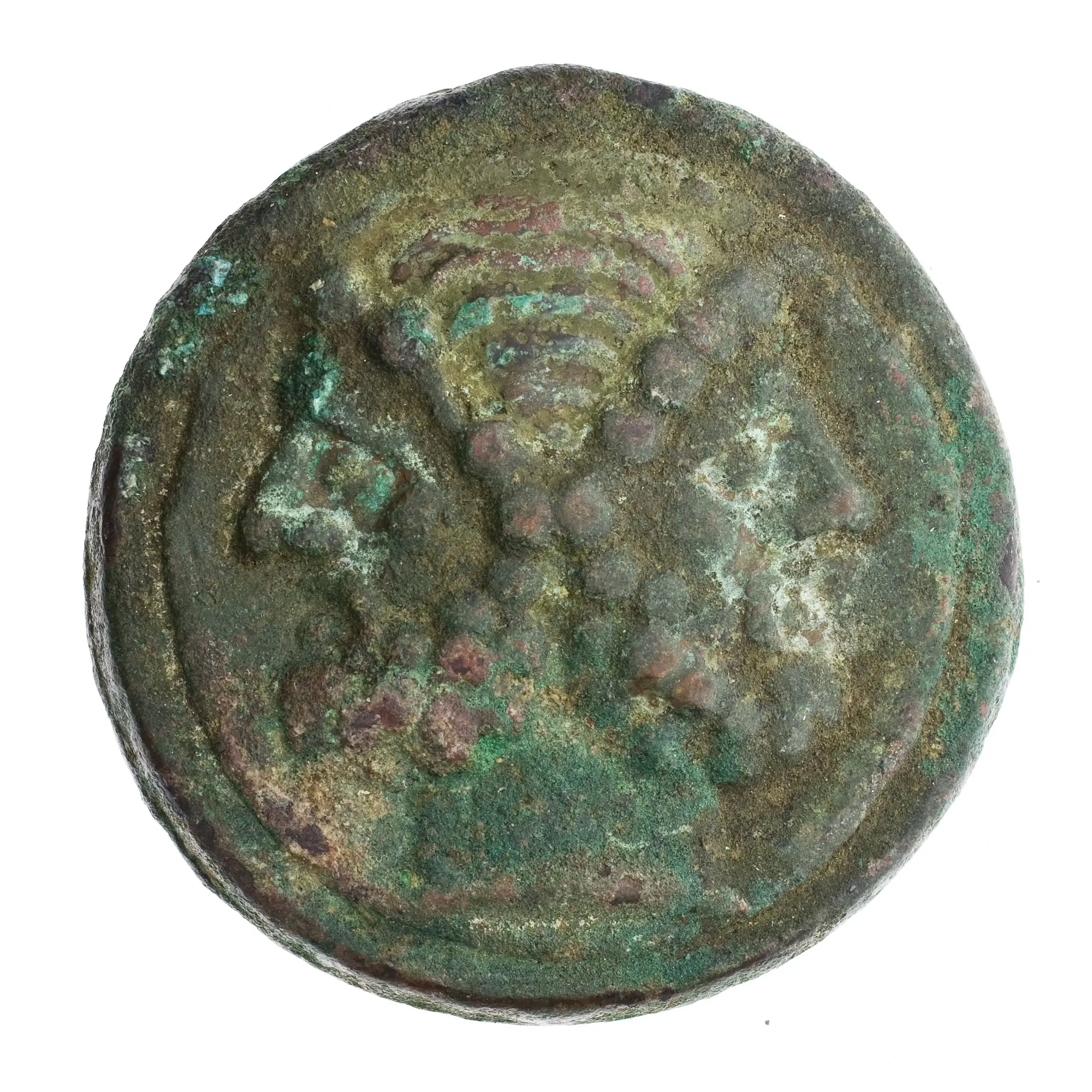
Janus is the Roman god of doorways and beginnings, commonly shown with two faces looking in opposite directions. Roman Republican coins depict his laureate, bearded head, often paired with a ship’s prow on the reverse.
Sources: LACMA, on Janus and the term janiform; British Museum, Roman Republican coin depicting Janus.
One god, two faces
The two faces represent one deity. This distinguishes Janus from Greek vessels that pair different figures. Other Roman double-headed objects, including the glass flasks below, are not securely identified as images of the god.
Beginnings, endings and January
Janus is associated with transitions, beginnings and endings; his name lives on in January. His two directions offer a way to consider what we leave behind and what lies ahead.
Main reference: Ovid, Fasti 1.63–288: Janus and his month ↗. See also Fasti 2.47–54 ↗.
What the sculpture takes, and what it changes
From Janus, Janus of Love takes its second idea: one being, two directions, standing at a threshold. The god’s two faces look outward, guarding a doorway. The sculpture turns the same device inward. One face looks down into the memory of a love; the other looks up toward the possibility of another. And where Janus is a bearded god, this is a woman, modelled on the artist’s mother, at a turning point of the heart. The form is ancient. The subject is a person.
Examples in museum collections
Historical comparisons from museum collections. Select an image to enlarge; each record links to the holding collection.
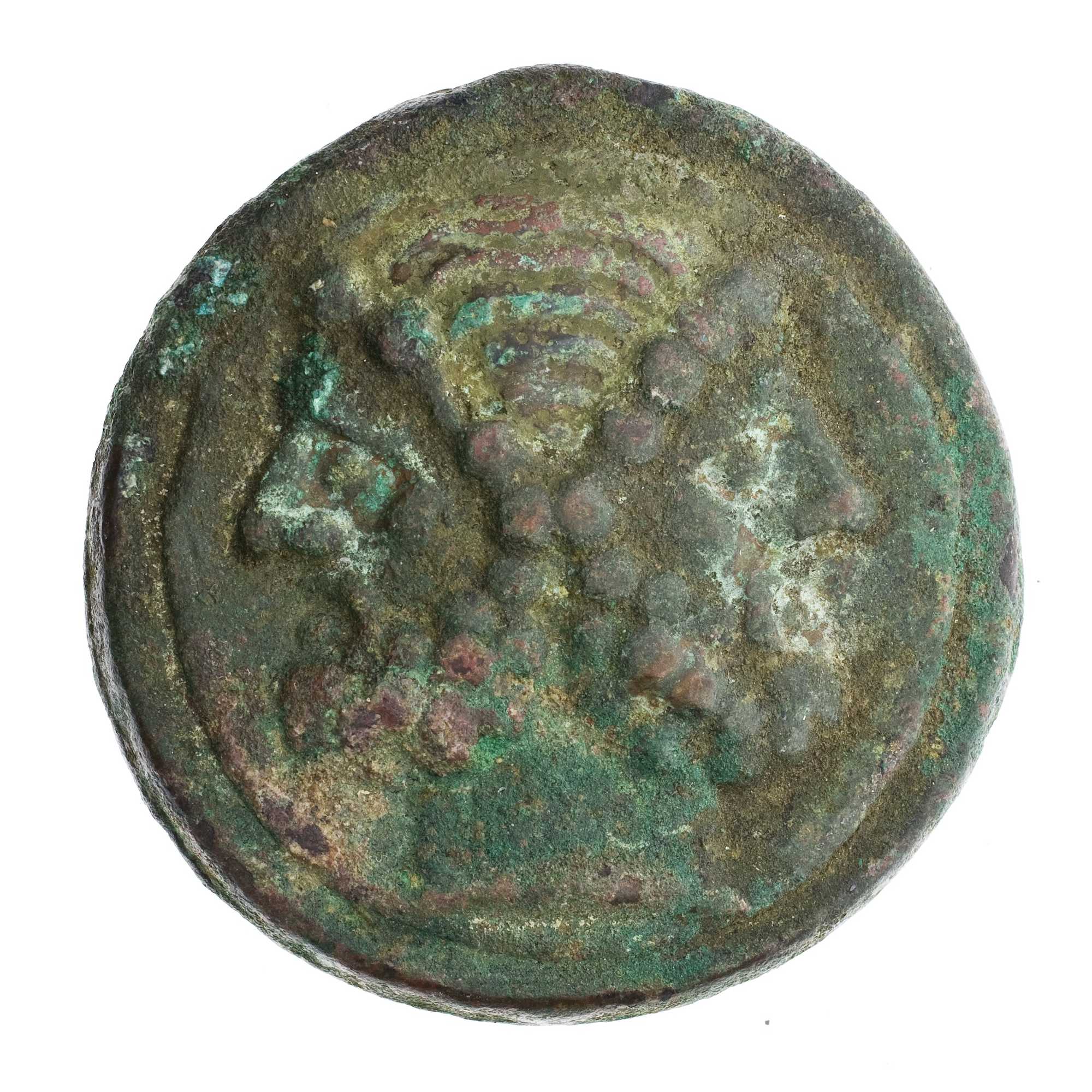
Janus on another Republican issue
Roman Republic, Rome, 211 BCE. Bronze as. American Numismatic Society, 1969.83.141; RRC 56/2.
Museum record ↗
Image: American Numismatic Society · Public Domain Mark.
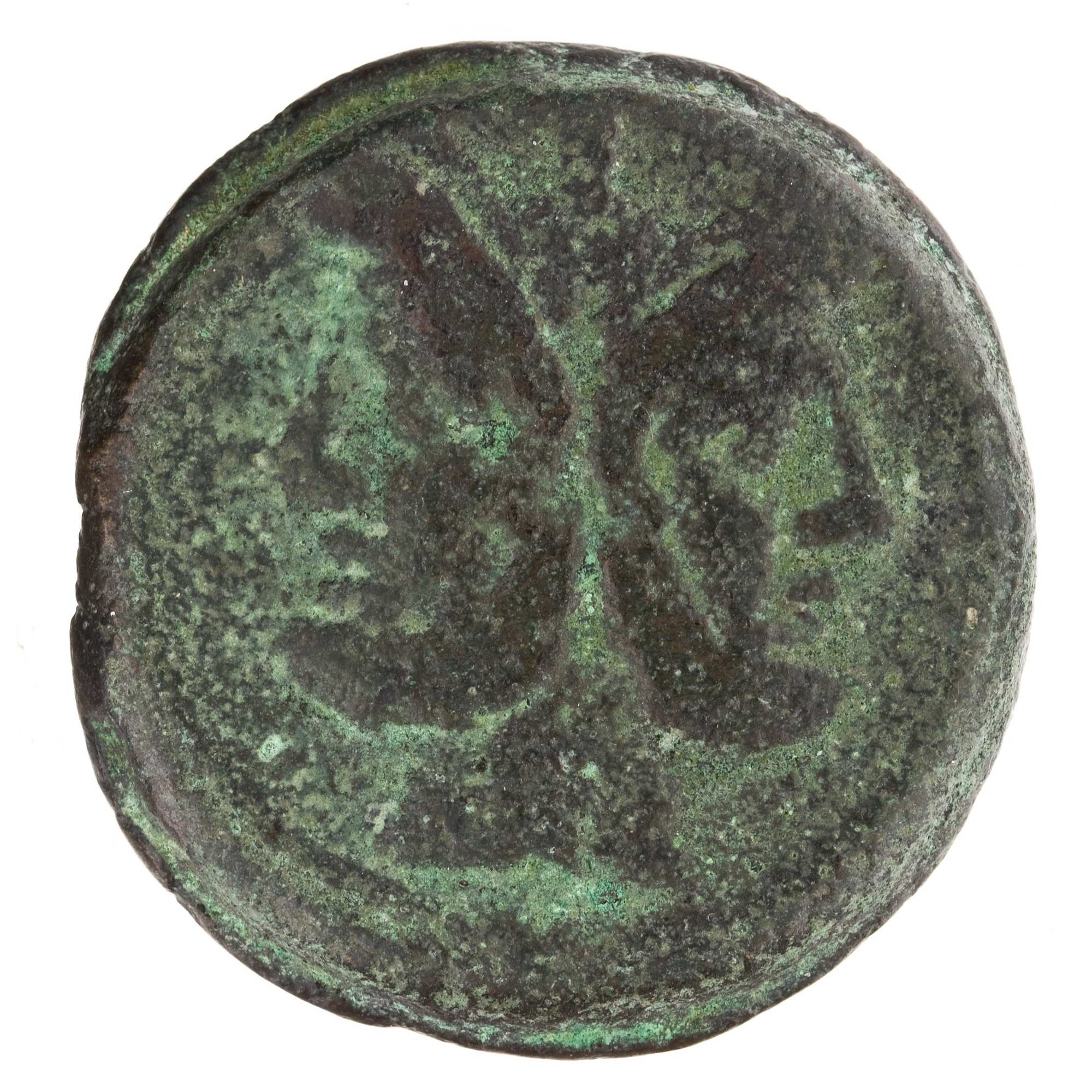
Janus on a Republican bronze as
Roman Republic, Rome, 225–217 BCE. American Numismatic Society, 1969.83.360; RRC 36/1.
Museum record ↗
Image: American Numismatic Society · Public Domain Mark.
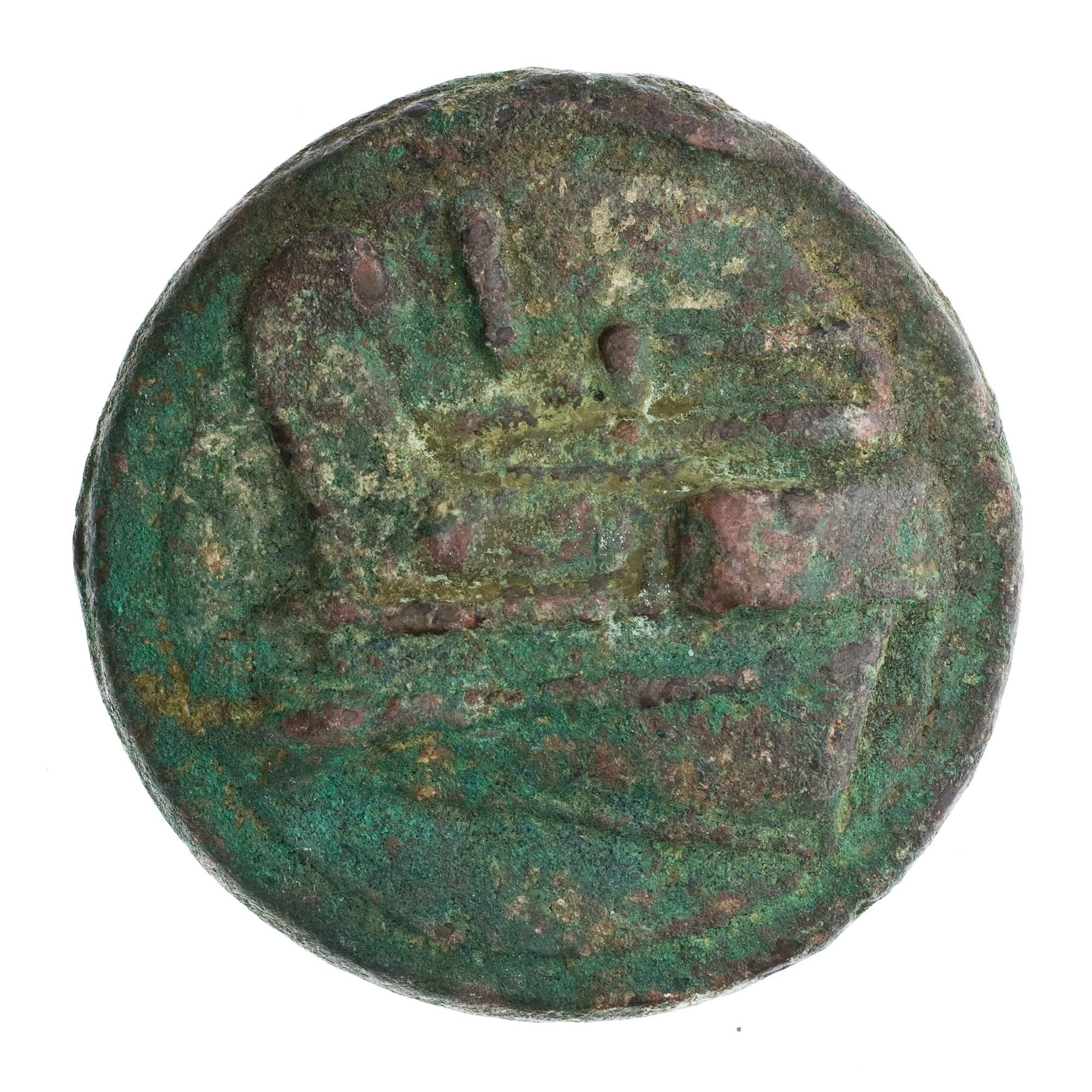
The reverse of the same coin
Roman Republic, 225–217 BCE. American Numismatic Society, 1969.83.360.
Museum record ↗
Image: American Numismatic Society · Public Domain Mark.
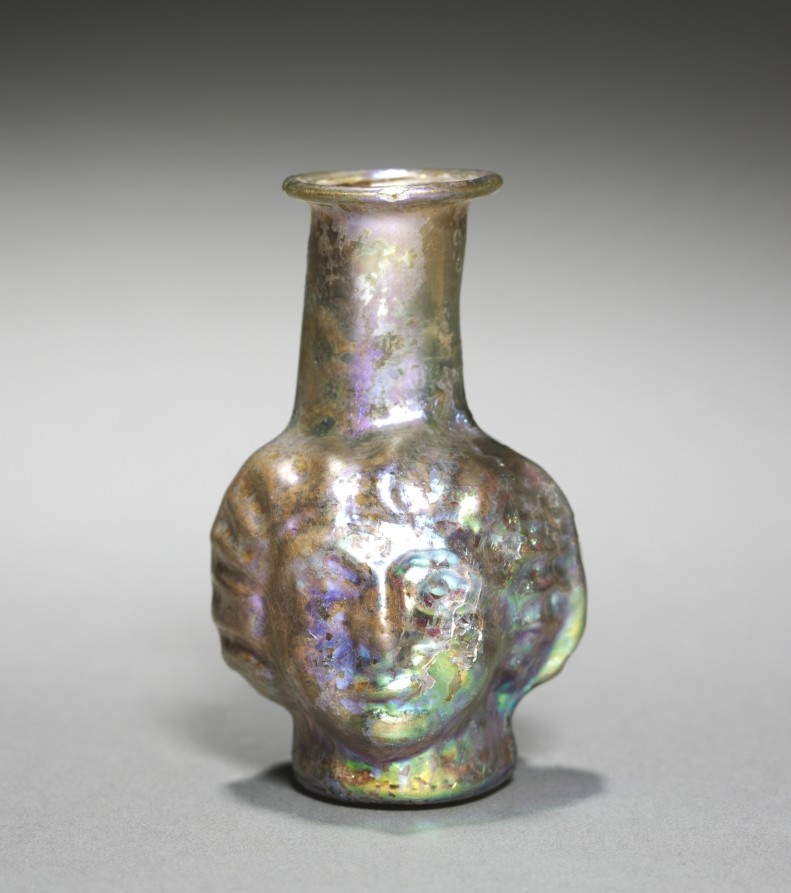
A Roman janiform glass flask
Roman, probably Eastern Mediterranean, 100–400 CE. The Cleveland Museum of Art, 1923.945. Gift of J. H. Wade.
Museum record ↗
Image: Cleveland Museum of Art · CC0.
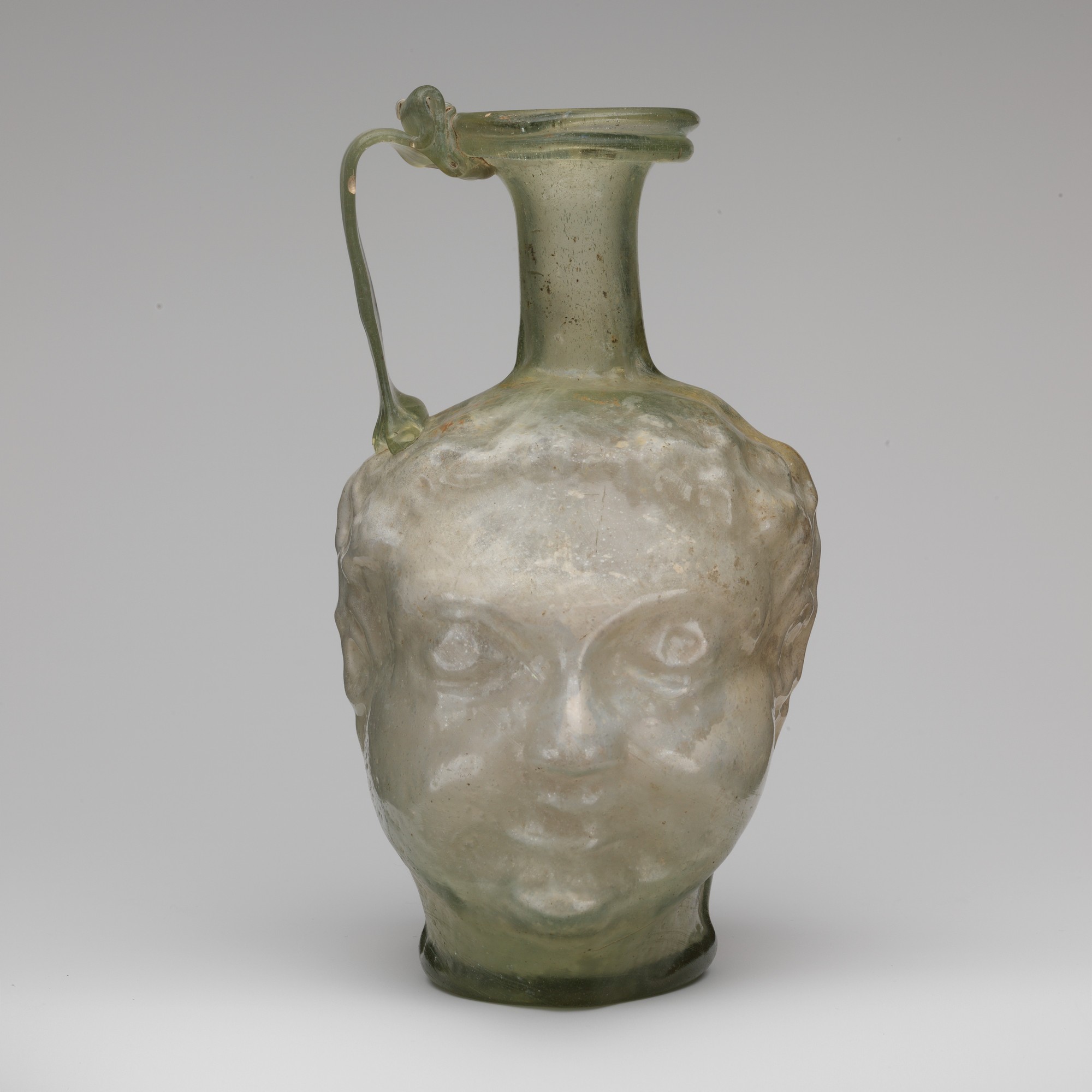
Two youthful heads in glass
Roman, first half of the 4th century CE. The Metropolitan Museum of Art, 81.10.223. Gift of Henry G. Marquand, 1881.
Museum record ↗
Image: The Met · Public domain / CC0.